Rushaga Sector hike
April 28, 2025
Best places to see the big five in Rwanda
April 28, 2025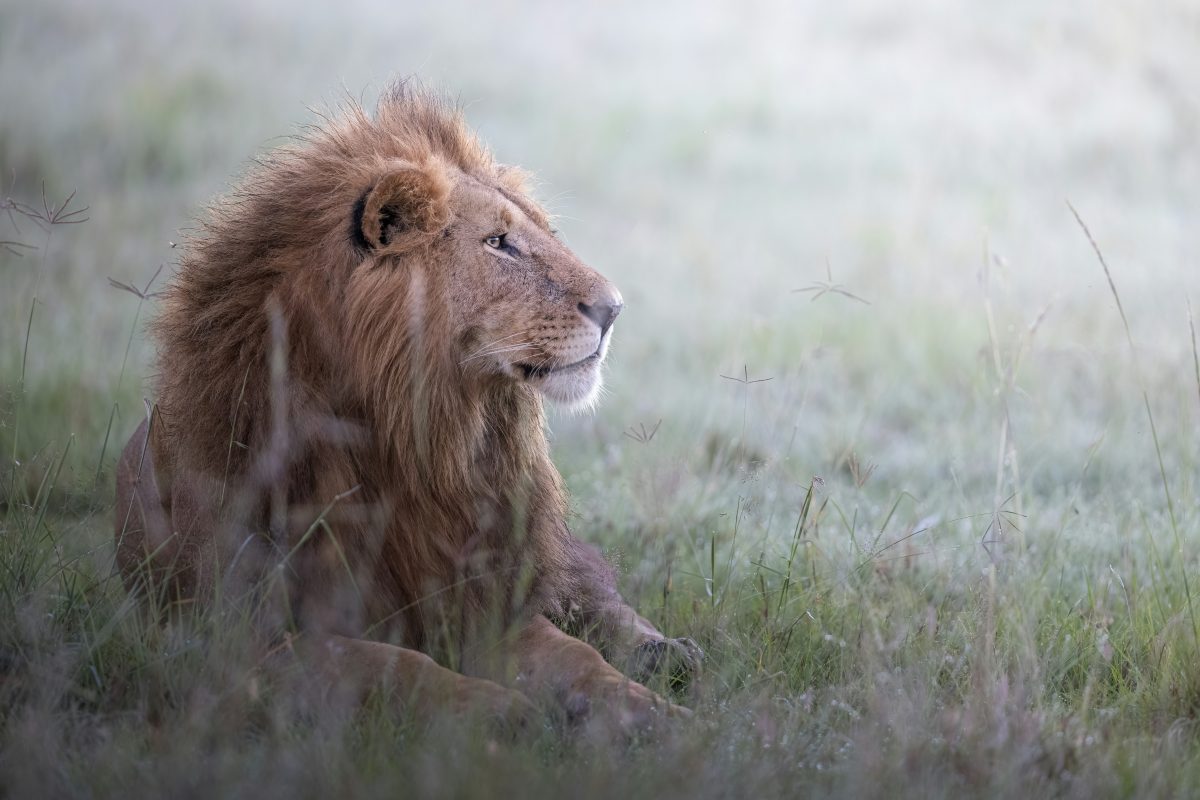
Best places to see/spot the Big Five in Uganda
Best places to see/spot the Big Five in Uganda. Where can I see the big five in Uganda is one of the most frequently asked questions by tourists and today we are going to look at the best places where tourists get to spot the big five. There are four large Savannah national parks where you get to see them, and these include Kidepo Valley National Park, Murchison Falls National Park, Queen Elizabeth National Park and the Ziwa Rhino Sanctuary, the only place where you get to see the white Rhinos in the whole country.
It should, however, be noted that Uganda only offers the big four in the national parks across the county. When we talk about the big five, these are lions, buffaloes, rhinos, elephants and leopards. Although most of the savannah national parks in Uganda do not have Rhinos, you still get to see the big four in all of them.
The African lion (Panthera Leo): The African lion is the most explored and largest carnivore found in the savannah national parks in Uganda and the most sought-after African Big 5 member. Lions are part of the cat family and are known as the king of the jungle, hunting down even animals that are larger than it is. The female lions are the ones that normally hunt occasionally helped by the male lions. The lions can be seen in Murchison Falls National Park, Queen Elizabeth National Park, which has tree-climbing lions, and Kidepo Valley National Park.
Leopards (Panthera Pardus): Leopards are also part of the big cats family and can be seen in Kidepo Valley National Park, Queen Elizabeth National Park and Murchison Falls National Park. They can also be spotted in Lake Mburo National Park and Semuliki Wildlife Reserve, among others. Leopards are naturally shy animals and prefer to hunt during the night, which is why it is hard but possible to spit leopards during a game drive. Leopards are a bit similar to cheetahs but can be distinguished by their unique black line that runs from the sides of both eyes towards the nose.
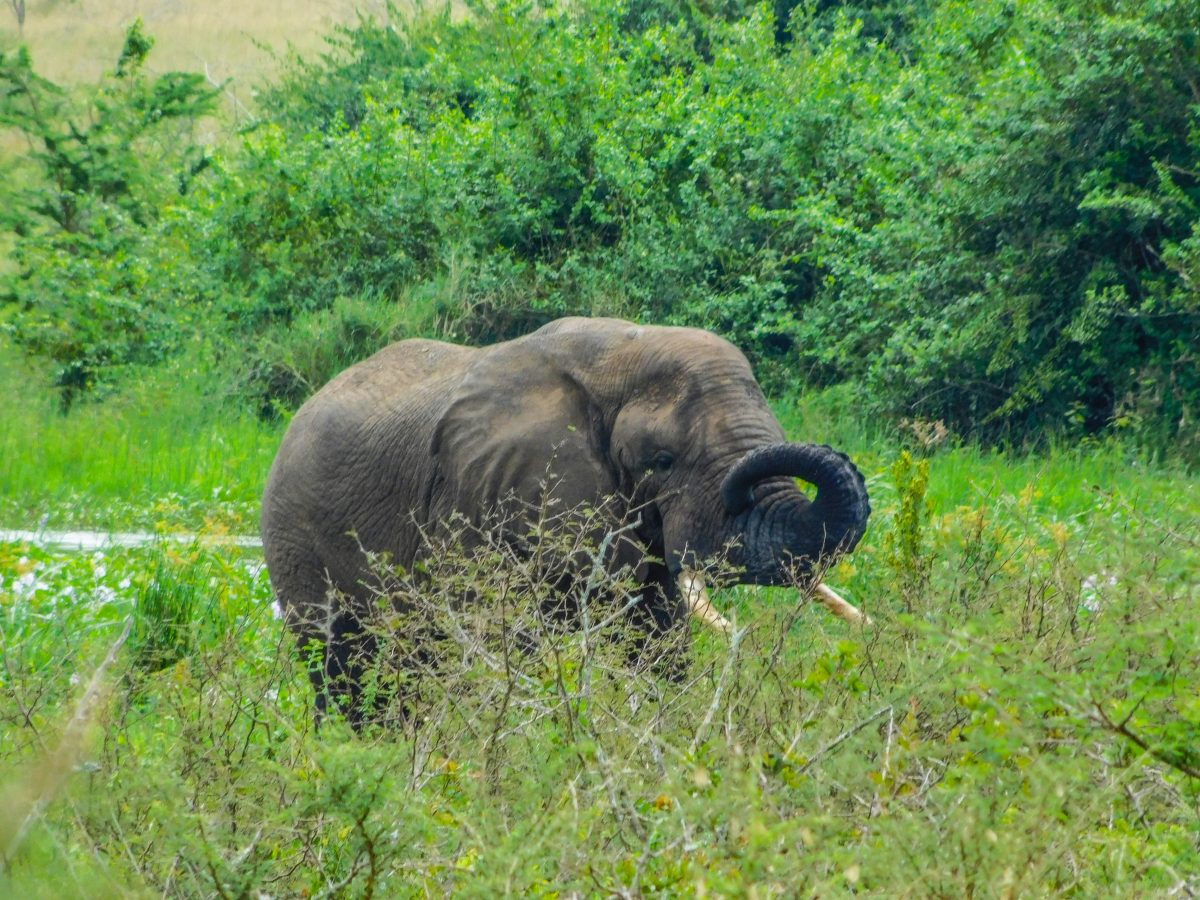
Elephants (Loxodonta Africana): Elephants are the largest mammals on land in the world and can be spotted in many of the national parks in Uganda. Best spotted during a game drive, elephants weigh up to 6300kgs and rarely go below 4000kgs. The males weigh more than the females and can best be spotted in Queen Elizabeth National Park, Kidepo Valley National Park, and Murchison Falls National Park.
The African Buffalo: The African buffalo is known to be one of the most dangerous animals in the wild and is part of the Big Five. African buffaloes are also known as the Cape buffalo and retaliate badly especially when they are wounded. They are characterized with their large and heavy built horns, toed ungulates and their large ears fringed with hair. Buffaloes can be seen in national parks like Queen Elizabeth National Park, Murchison Falls National Park and Kidepo Valley National Park.
Rhinos: Due to political insecurities and constant poaching, Rhinos were extinct in Uganda until they were re-introduced in the Ziwa Rhino Sanctuary located in the Nakasongola district, making it the only place where tourists can see and track the rhinos. Rhinos are herbivores and are characterized by their large horned snouts, stumpy legs and massive bodies. Rhinos are heavily protected, and there are a few that are found in the Uganda Wildlife Education Center, which is also referred to as the zoo.
Below is a list of the best places to see the big five in Uganda
Queen Elizabeth National Park
Queen Elizabeth National Park is one of the most popular national parks in Uganda, where tourists can visit to see the big four. The National Park is located in the Kasese district with a great backdrop of the Rwenzori Mountains and views of the crater Lakes that were carved into the green hills. Queen Elizabeth National Park, previously known as Kazinga National Park, was renamed after Queen Elizabeth II and has sections where the big five can easily be spotted, including Mweya, Ishasha sector, Kyambura Gorge and Kasenyi.
Queen Elizabeth National Park is famous for the Tree climbing lions, also known as the Cactus climbing lions, which are found in the Ishasha sector, which is found in the southern part of the park. Researchers believe that lions climb trees to relax, avoid tsetse fly bites, heat on the ground, and also easily scan the area for prey. Kazinga Channel, which separates Lake Edward and Lake George, is part of the area where tourists can see the Big Four and other wildlife animals like elephants, hippos and various bird species, among others.
The Kasenyi plains in Queen Elizabeth are also home to roaming lions, leopards, buffaloes and elephants. The different activities that are carried out in the park include lion tracking, game drives, hot air balloon riding, bird watching and chimpanzee tracking in Kyambura Gorge.
Tourists can visit Queen Elizabeth National Park all year round; however, the best time is during the dry months of July to October. The rainy season as well, from March to May, is a good time to spot the predators like lions and leopards that prey on the unsuspecting calves.
The accommodations that you can use when you visit the park to watch the big five and these include Ishasha Tented Camp, Kyambura Gorge Lodge, Elephant Plains Lodge, Mweya Safari Lodge, Jacana Safari Cottages, Queen Elizabeth Bush Lodge, King Fisher Lodge Kichwamba, Kitandara Hippo Hill Lodge, White House Lodge, Mweya Hostels and Cottages and Simba Safari Camp among others.
Murchison Falls National Park
This is the largest and oldest national park in Uganda first gazetted off in 1926. Murchison Falls National Park is locally known as Kabalega National Park and is located in the Albertine region in Masindi district. The National Park is home to over 76 mammal species, including the big four, which are lions, leopards, elephants and buffaloes. Murchison Falls National Park is made up of Karuma Wildlife Reserve, Murchison National Park and Bugungu. The home is also home to the rapid Murchison Falls, which plunges to about 45m with wild rapids, making it the top tourist attraction in the park.

There are a lot of things to do in Murchison Falls National Park, and these include game drives, bird watching, boat trips, cultural trips and chimpanzee tracking, among others. Chimpanzee tracking is carried out in Kaniyo Pabidi and Budongo Forest. There are so many ways in which you can explore Murchison Falls National Park by using a car, boat or on foot. Leopards, lions, elephants and buffaloes can be spotted within the National park throughout the year while carrying out activities like boat rides, guided walks and game drives. To have a full big five safari experience, you can join a safari to Murchison Falls National Park with a Ziwa Rhino Sanctuary safari.
Accommodation where to stay in your visit to Murchison Falls National Park includes Budongo Eco Lodge, Ziwa Rhino Sanctuary, Fort Murchison, Nile Safari Lodge, Chobe Safari Lodge and Global Village Guest House, among others.
Ziwa Rhino Sanctuary
Ziwa Rhino Sanctuary is the only destination in Uganda where tourists can see Rhinos. Rhinos in Uganda became extinct in the early 1980s after poaching, wars and encroachment from the locals wiping them out completely. 20 years later, they were re-introduced in the country in 2005, starting with six rhinos in the Ziwa Rhino Reserve. Ziwa Rhino Sanctuary is a private nonprofit sanctuary that is now home to about 22 white Rhinos.
Located on your way from Kampala to Murchison Falls National Park, Ziwa Rhino Sanctuary is the only place in Uganda where tourists can see the big five on a Uganda Safari. The sanctuary is home to over 40 mammal species and 300 bird species, and all these can be seen on a canoe trip, game drive and a guided walk.
There are a lot of activities that are carried out in Ziwa Rhino Sanctuary and the main one is tracking rhinos. With the help of an experienced guide, the tracking of Rhinos starts after a brief introduction on what to expect during the tracking; this exercise will help you understand and study the behaviours of the rhinos in the wild. Tracking Rhinos can last between 2 to 3 hours, and the best time to do this is during the dry season.
When it comes to Rhino tracking, there are rules and regulations that need to be followed by all tourists. If you refuse or defy any of the rules, there is always a fine of USD 100 and guides have authority to end the trek if they feel like the rules and regulations are not being followed. The following are the rules and regulations that need to be followed while on a safari to the sanctuary.
- You are forbidden from feeding and touching the animals
- You have to report any illegal animal along the road to the Rhino Fund Reception.
- Jogging and cycling are not allowed in the sanctuary
- Follow all the instructions given by the guides and sanctuary at all times.
- Unnecessary noise disrupts the animals
- All firearms, pets, drones GPS or any other items that might cause suspicion have to be declared at the entrance
- Do not litter the sanctuary.
- No activity can be carried out without the guides and authorized by the sanctuary.
Ziwa Rhino Sanctuary previously had no accommodation, but to ensure that travellers had all they needed when visiting, an idea from the Rhino Fund Sanctuary partnered with the Genade Family, who provided the funds for the construction of the Amuka Safari Lodge. Amuka Lodge is located within the sanctuary with 8 units providing services to their guests. There are other accommodation facilities that can be used; however, these are not located inside the sanctuary.
The best way to see the big four in Uganda is by going for a game drive, there are two sessions, one in the morning and one in the afternoon. Game drives are carried out in 4×4 safari vehicles, the best one is believed to be in the morning when many of the animals can be spotted. Carnivores can also be spotted late evening as they search for their prey. Game drives in Uganda usually last 2 to 3 hours and sometimes for half a day depending on the preference of the tourists.